

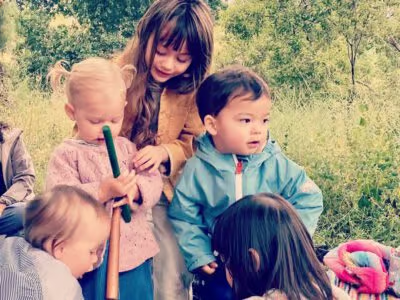
A wealth of research highlights the countless benefits of early childhood experiences in nature. Throughout history, many of the greatest minds have had the opportunity to grow and learn in natural environments. In today’s world, it is essential for parents to recognize and prioritize these benefits. Educators, health practitioners, and pioneers in child development must take responsibility for communicating this value to parents. The BBC article, “How Forest Schools Boost Children’s Immune Systems,” provides compelling evidence for the advantages of outdoor education. The title alone serves as a persuasive argument, emphasizing the physical benefits. However, the impact extends far beyond the body. One particularly insightful quote from the article states, “A notable aspect of cognitive development among children who take part in outdoor learning is a sense of responsibility.” While the article connects this cognitive shift to environmental stewardship, I believe time in nature also fosters self-regulation and self-control in a natural and organic way. In my experience teaching young children under three years-old, I have observed these qualities firsthand, particularly in their interactions with baby animals and flowers. Can a child resist the impulse to pull or grab without constant adult intervention? Yes—especially when guided with gentle instruction. A simple prompt, such as using one finger to touch, can gradually evolve into a careful, respectful interaction with a delicate flower. These early experiences in nature lay the foundation for lifelong skills in patience, empathy, and self-discipline, all of which require bursts in cognitive development, which is surely a lifelong asset.
 Child Development is Interactive